

Asian BMI cut-offs differ because standard thresholds often underestimate health risks in these populations bmi calculator malaysia. Asians typically have higher body fat and visceral adiposity at lower BMIs, increasing susceptibility to metabolic diseases like diabetes and hypertension earlier than Western counterparts. Adjusted cut-offs improve risk detection and enable timely intervention. Relying solely on BMI can miss risks linked to fat distribution and genetics. Further insight reveals why tailored measures are essential for effective health management.

Why Standard Asian BMI Cut-Offs Don’t Work Well
Although standard Asian BMI cut-offs were established to better reflect population-specific health risks, evidence indicates that these thresholds often fail to accurately predict metabolic and cardiovascular outcomes across diverse Asian subgroups Calculate App. Variability in genetic, environmental, and lifestyle factors contributes to inconsistent correlations between BMI and disease risk.
Studies show that BMI alone does not capture fat distribution or visceral adiposity, critical determinants of health. Additionally, uniform cut-offs overlook interethnic differences, leading to underestimation or overestimation of risk.
Consequently, reliance on these standards may impede personalized risk assessment and effective prevention strategies within heterogeneous Asian populations.
How Asian Body Composition Differs From Others
Because body composition considerably influences metabolic risk, differences between Asian populations and others warrant close examination. Studies show Asians typically have higher body fat percentages at lower BMIs compared to Caucasians.
Visceral adiposity is more prevalent, increasing susceptibility to insulin resistance and cardiovascular disease.
Muscle mass tends to be lower, affecting metabolic rate and fat distribution.
These variations persist across diverse Asian ethnicities, suggesting genetic and environmental factors contribute.
Consequently, standard BMI metrics may underestimate health risks in Asians, necessitating tailored assessments to more accurately identify individuals at risk and guide appropriate health interventions.
How Lower BMI Thresholds Affect Asian Health Risks
Lower BMI thresholds for Asian populations have been established based on epidemiological data demonstrating increased risks of type 2 diabetes, hypertension, and cardiovascular disease at BMI values traditionally considered normal in Western populations.
Studies indicate that Asians experience metabolic complications at lower BMI levels, likely due to higher body fat percentage and visceral adiposity.
Consequently, using conventional BMI cut-offs underestimates health risks in this group, potentially delaying interventions.
Adjusted thresholds enhance risk stratification accuracy, supporting tailored public health strategies.
Recognizing these differences is essential for effective screening and prevention, ultimately improving health outcomes and enabling individuals to make informed lifestyle choices.
How Asian BMI Cut-Offs Boost Early Risk Detection
How do adjusted BMI cut-offs specifically enhance early detection of health risks in Asian populations?
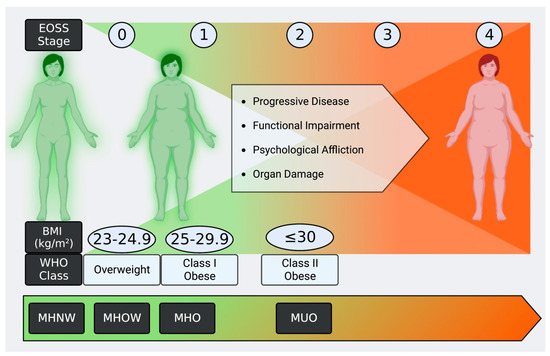
Asian-specific BMI thresholds identify metabolic and cardiovascular risks at lower BMI values compared to global standards. Studies indicate that Asians develop type 2 diabetes and hypertension at BMIs as low as 23, whereas traditional cut-offs classify these individuals as normal weight.
What to Do If Your Asian BMI Is Normal But Risk Is High
Even when an Asian individual’s BMI falls within the normal range, elevated risks for metabolic and cardiovascular conditions may persist due to factors such as visceral adiposity and genetic predispositions.
In such cases, reliance solely on BMI is insufficient. Holistic assessments including waist circumference, lipid profiles, blood glucose levels, and blood pressure measurements are essential.
Lifestyle interventions—targeting diet, physical activity, and stress management—should be prioritized.
Regular monitoring enables early identification of risk progression.
Personalized medical advice, informed by ethnicity-specific risk profiles, supports informed decision-making, empowering individuals to manage health proactively beyond BMI metrics.
Conclusion
Asian populations exhibit unique body composition characteristics, necessitating lower BMI cut-offs to more accurately reflect health risks. Standard BMI thresholds often underestimate risk in Asians due to higher body fat percentages at lower BMI levels. Adjusted BMI criteria facilitate earlier identification of metabolic and cardiovascular conditions, improving preventive measures. Consequently, clinicians should consider ethnic-specific BMI guidelines alongside other risk factors to guarantee timely intervention and better health outcomes in Asian individuals.
